AI-based ICU Data Collection and Analytics Platform: Helping Patients and Doctors
Empowering Doctors, Protecting Patients
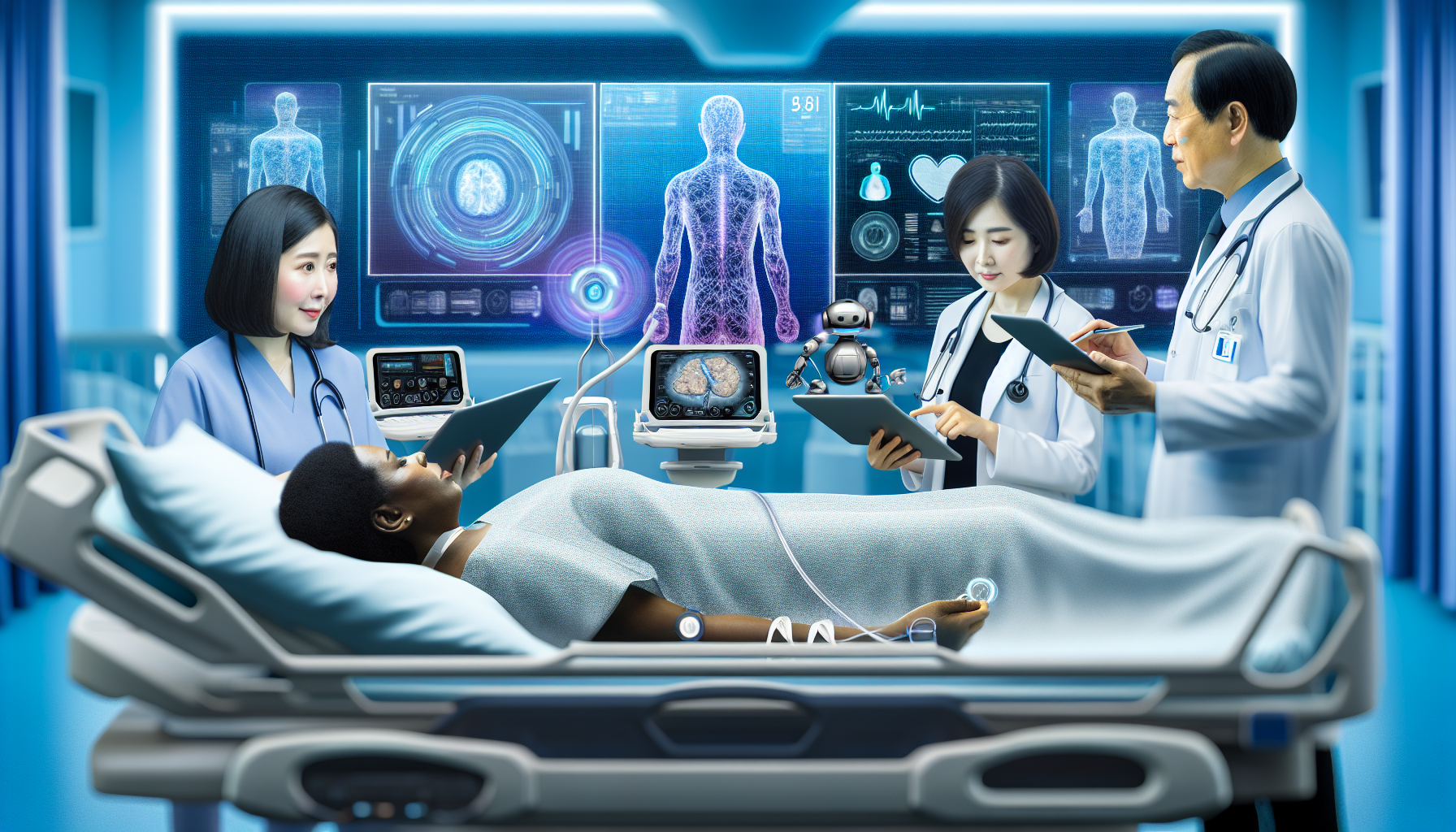
Healthcare is undergoing a quiet revolution, and nowhere is it more critical than inside the Intensive Care Unit (ICU). AI-based data collection and analytics platforms are transforming how critical care is delivered—shifting ICUs from reactive environments to predictive, data-driven ecosystems. These systems are not just technological upgrades; they are life-saving tools that support clinicians and safeguard patients when every second matters.
The Rise of AI in Critical Care
ICUs are complex, high-pressure settings where clinicians must interpret vast amounts of data and make rapid decisions. Traditionally, this data was manually recorded, fragmented across devices, and reviewed intermittently—leaving room for delays and human error.
AI-powered ICU platforms change this paradigm by enabling continuous, automated, and intelligent data processing. By converting raw physiological data into actionable insights, these systems enhance situational awareness and clinical precision in real time.
How AI-Based ICU Platforms Work
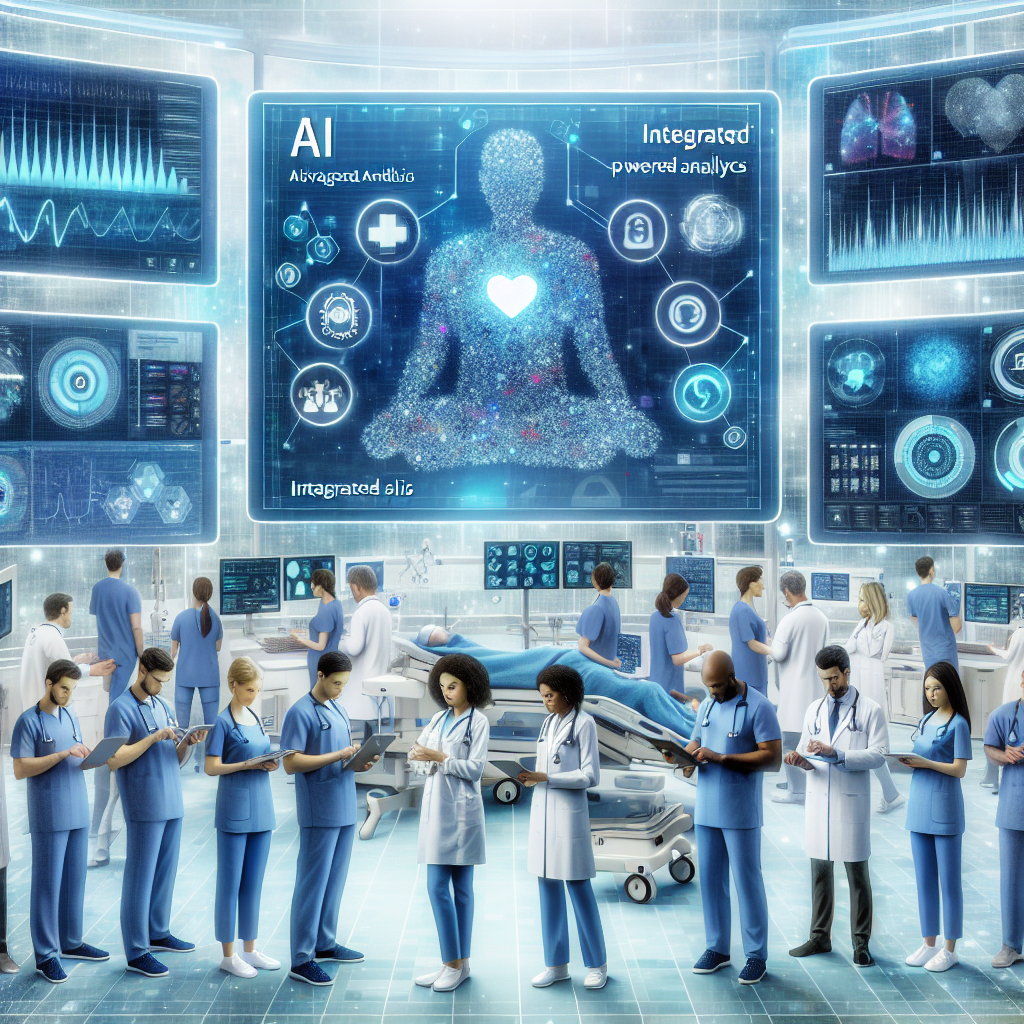
AI-driven ICU platforms integrate advanced technologies such as machine learning, real-time analytics, and cloud computing to deliver continuous clinical intelligence.
Key functionalities include:
- Continuous Data Capture: Seamless collection of vital signs and parameters from monitors, ventilators, infusion pumps, and other ICU devices
- Real-Time Analytics: Instant processing of incoming data to support timely clinical interventions
- Predictive Intelligence: Early warning signals for deterioration, sepsis, organ failure, or adverse drug responses based on historical and live data
- Unified Patient Records: Integration with electronic health records (EHRs) to provide a single, up-to-date clinical view of each patient
Benefits for Patients
Enhanced Safety and Monitoring
AI platforms significantly raise the standard of patient monitoring:
- Early Detection of Deterioration: Subtle physiological changes are identified before they escalate into emergencies
- Reduced Manual Errors: Automated data acquisition minimizes transcription and documentation errors
- Personalized Care: Treatment strategies are continuously refined using real-time trends and patient history
Better Clinical Outcomes
Predictive analytics directly translate into improved outcomes:
- Fewer Complications: Timely interventions reduce secondary complications and ICU length of stay
- Optimized Resource Allocation: Critical resources are directed to patients who need them most
- Greater Confidence for Families: Transparent, data-driven care improves trust and reassurance
Benefits for Doctors and ICU Teams
Improved Efficiency and Workflow
AI platforms reduce cognitive and administrative overload:
- Automation of Routine Tasks: Less time spent on documentation, more time at the bedside
- Faster, Informed Decisions: Real-time insights support confident clinical judgment
- Reduced Burnout: Streamlined workflows help ease staff fatigue in high-stress environments
Data-Driven Clinical Excellence
AI strengthens clinical decision-making and collaboration:
- Higher Diagnostic Accuracy: AI-assisted insights support complex diagnoses
- Team Synchronization: All clinicians access the same real-time patient data
- Research and Learning: High-quality ICU data enables clinical research and continuous improvement
Challenges and Key Considerations
While the benefits are substantial, successful implementation requires careful planning:
- Data Privacy and Security: Robust cybersecurity and compliance with health data regulations are essential
- Training and Change Management: Clinicians must be trained to trust and effectively use AI tools
- Initial Costs: Although upfront investment is significant, long-term gains in efficiency and outcomes often outweigh costs
Conclusion
AI-based ICU data collection and analytics platforms represent a fundamental shift in critical care—from reactive monitoring to proactive, predictive medicine. By enhancing clinical insight, reducing workload, and improving patient safety, these systems are redefining how ICUs function.
In environments where minutes can mean the difference between life and death, AI is not just an innovation—it is an ally. When thoughtfully implemented, AI in the ICU empowers doctors, protects patients, and ultimately saves lives.